Heavy Metal Chelating Agents
Liquid Metal Ion Control Solutions
Chemically immobilises heavy metal ions in fly ash and process water — turning hazardous waste into non‑hazardous waste.
So the metal ions you cannot see stop moving your process around.
Trace metal ions in industrial process water, effluent and incineration residues drive discolouration, precipitation, scaling, loss of chemical efficiency and unstable treated water. Ons liquid chelating agents bind rapidly to the ions causing the trouble, bring their reactivity under control, and convert them into a form that downstream treatment or separation can handle.
In waste incineration in particular, metal ions bear directly on efficiency and cost. Heavy metals such as lead, copper, chromium and mercury pose serious risks to the environment and to human health, so controlling them is a condition of compliant operation. Left un-immobilised, incineration residues may be classified as hazardous waste — costly extra treatment and disposal, and limited scope for recycling or reuse.
Chelate-S reacts rapidly with the heavy metal ions in those residues to form highly stable, insoluble chelate complexes. That chemical immobilisation reduces leachability and lowers heavy metal concentrations in fly ash, helping it fall below the hazardous-waste content criteria set by the Wastes Control Act — lead and copper 3 mg/L, arsenic and hexavalent chromium 1.5 mg/L, cyanide 1 mg/L, cadmium 0.3 mg/L, mercury 0.005 mg/L — so the residue can be reclassified as non-hazardous.
Because it is a liquid it disperses immediately and doses accurately, dropping into existing effluent treatment and automation without modification. Our approach is not to raise the chemical dose but to first analyse what form the metal ions take in your process and what they actually cause — then propose a liquid chelating solution with the reactivity and field practicality that follow from it.

The sequence is not to reduce metals in general but to identify the offending ions and lock them down.
- 01
Read the process
We start from which metals are present (Pb, Cu, Cr, Hg and others), at what concentration, at what pH, with what co-existing ions and which coagulant already in use.
- 02
Set product and dosage
Product and dose follow from that analysis. The aim is to avoid both overdosing and repeat treatment.
- 03
Dose the liquid
It goes into existing equipment through a metering pump with no dissolving step, and disperses immediately.
- 04
Chelate complexes form
Chelating groups bind the metal ions into stable, insoluble complexes — reactivity and mobility drop together.
- 05
Separate or solidify
The complexes are carried into coagulation and settling, or into solidification. For fly ash, stabilisation suppresses leaching mobility.
- 06
Verify by leaching test
A leaching test to the Standard Methods for the Examination of Wastes (NIER Notice 2024-42) covers all eight items — lead, copper, arsenic, hexavalent chromium, cyanide, cadmium, mercury and oil content. Clear every criterion and the residue can be reclassified as non-hazardous.
- 01
Forms insoluble chelate complexes
Reacts rapidly with lead, copper, chromium and mercury ions and locks them into a stable form
- 02
Hazardous → non-hazardous
Supports clearing all eight leaching criteria for hazardous waste, cutting disposal unit prices and management costs
- 03
Liquid, no dissolving step
Disperses on contact and doses accurately, so it drops into existing equipment and automated operation
- 04
Stable across temperature and pH
Maintains binding affinity as incinerator and treatment conditions shift
- 05
Suppresses mobility
Reduces both reactivity and mobility, lowering long-term leaching risk
- 06
Formulated to your process
Salt form, purity grade and concentration adjusted to your target metals and process conditions
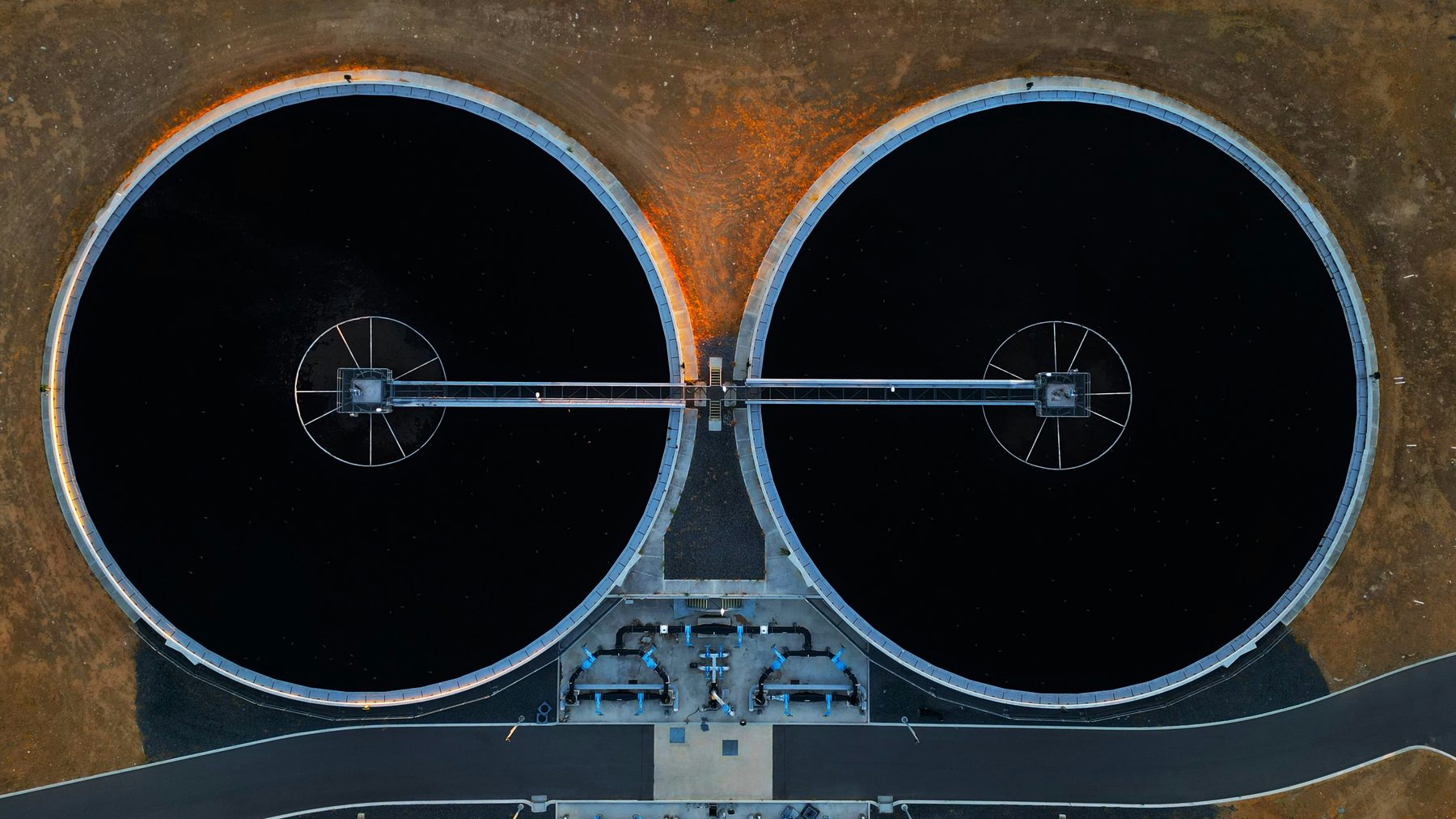
Municipal solid waste incineration fly ash
Industrial waste incineration residues
Industrial process water and effluent treatment
Municipal incineration facilities
Waste treatment operators
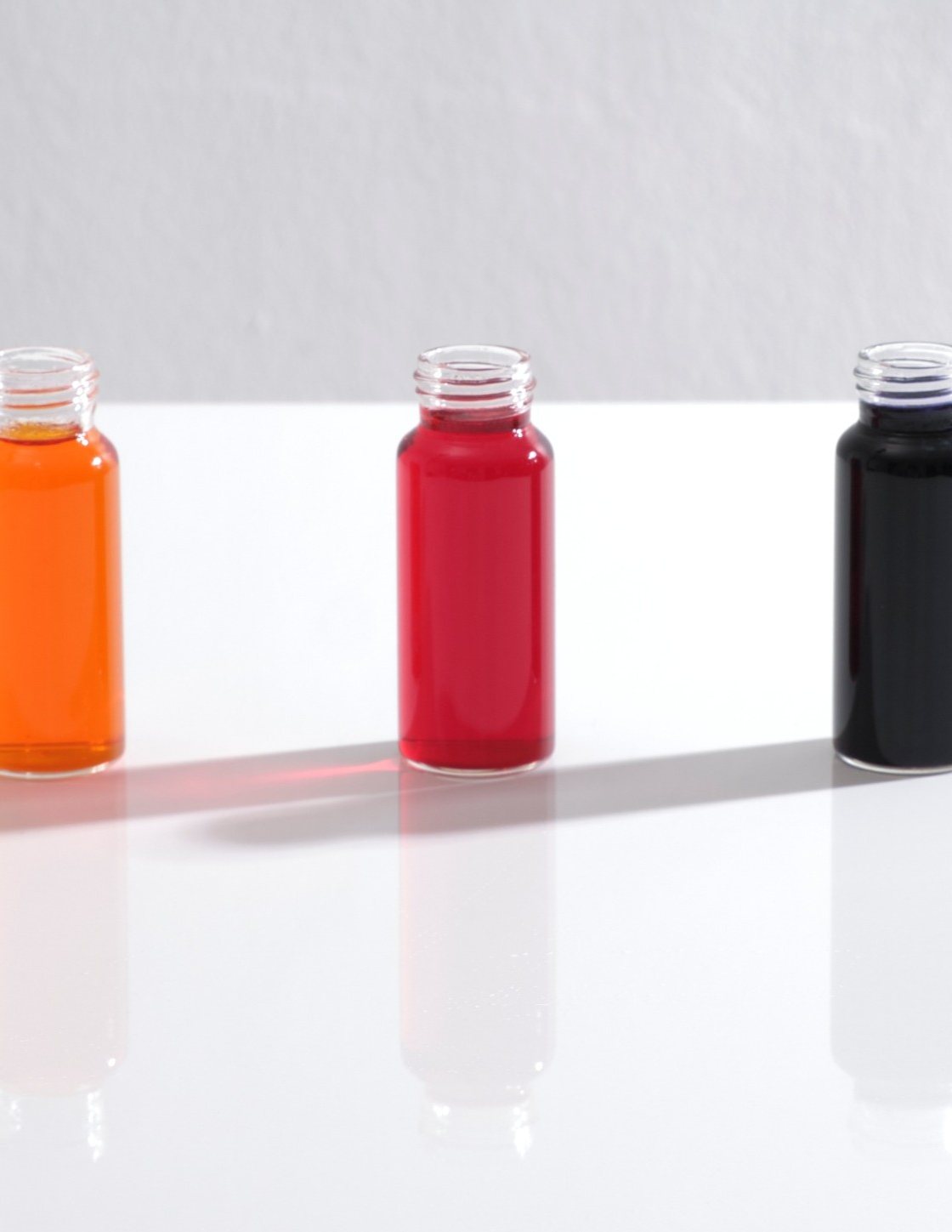
A liquid product that reacts fast with metal ions
Goes into existing equipment with no dissolving step
Easy metering and automated operation — simpler chemical management
Product and dosage optimised to your target metals and effluent conditions
Field support that accounts for pH, co-existing ions and the coagulation and settling regime
Operating design that cuts overdosing and repeat treatment
Technical support weighing treated-water quality and process stability together
Not a chemical that vaguely lowers metals — a solution that manages the exact ions causing the problem.
General specifications — Chelate-S
| Property | Chelate-S | Note |
|---|---|---|
| Appearance | Pale yellow transparent liquid | 25 ℃ |
| pH | 11.0 | 25 ℃ |
| Specific gravity | 1.10 ± 0.3 | 25 ℃ |
| Viscosity | < 100 cps | 25 ℃, Brookfield DV+1 |
What we treat — the legal threshold for hazardous waste
| Item | Unit | Hazardous waste at or above |
|---|---|---|
| Lead (Pb) | mg/L | ≥ 3 |
| Copper (Cu) | mg/L | ≥ 3 |
| Arsenic (As) | mg/L | ≥ 1.5 |
| Hexavalent chromium (Cr⁶⁺) | mg/L | ≥ 1.5 |
| Cyanide (CN) | mg/L | ≥ 1 |
| Cadmium (Cd) | mg/L | ≥ 0.3 |
| Mercury (Hg) | mg/L | ≥ 0.005 |
| Oil content | %(wt/wt) | ≥ 5 |
These are the legal thresholds for the waste being treated — not the composition of Chelate-S. (Wastes Control Act, Enforcement Rule, Table 1) Chelate-S fixes these metals chemically so that leachate falls below the thresholds.
Test methods applied
| Scope | Standard |
|---|---|
| Leaching test | Standard Methods for the Examination of Wastes (NIER Notice No. 2024-42) |
| Product QC | Standards and Specifications for Water Treatment Chemicals (MoE Notice No. 2017-190) |
- How is the dosage decided?
-
For incineration fly ash we start from roughly 2–5 % by weight of the ash — a mix of about 100 parts ash to 3–5 parts chelating agent to 30 parts water is the usual starting point. Heavy metal content varies from one incinerator to the next, so treat that as a starting point only: the final dose is set after analysing a sample from the facility and confirming it by leaching test. For process water and effluent it depends on which metals are present and at what concentration, on pH, on co-existing ions and on the leaching limit you have to meet, so we begin from a sample analysis.
- Can it be used alongside our existing coagulant?
-
Yes, though efficiency depends on dosing order and pH, so tell us which coagulant you use and where it is dosed and we will scope it against those conditions. Looking at the coagulation and settling regime together is what removes repeat treatment.
- What is the criterion for reclassification as non-hazardous waste?
-
Every hazardous-waste content criterion in the Enforcement Rule of the Wastes Control Act has to be cleared. In the leachate that means lead 3 mg/L, copper 3 mg/L, arsenic 1.5 mg/L, hexavalent chromium 1.5 mg/L, cyanide 1 mg/L, cadmium 0.3 mg/L, mercury 0.005 mg/L and oil content 5 %(wt/wt) — reaching any one of those figures classifies the waste as hazardous. The "3 ppm heavy metals" figure often quoted is the lead and copper limit specifically. Chelate-S supports meeting the criteria by locking the ions into insoluble complexes so less leaches out; the determination itself rests on a leaching test run to the Standard Methods for the Examination of Wastes (NIER Notice 2024-42).
- How is quality controlled?
-
Appearance, pH, specific gravity and viscosity are checked on every production lot to the Standards for Water Treatment Chemicals (Ministry of Environment Notice 2017-190). After field application we commission leaching tests on samples taken at the customer’s facility, covering all eight items — lead, copper, arsenic, hexavalent chromium, cyanide, cadmium, mercury and oil content. The specification tables above set out which items are checked and against which criteria.
- How much does it cut disposal cost?
-
Hazardous waste typically costs roughly two to four times as much to dispose of as non-hazardous waste. Reclassifying incineration fly ash captures that difference directly, so once the chemical cost is accounted for the case strengthens with volume. Tell us your annual fly ash tonnage and your current disposal rate and we will work the numbers against the required dose. Disposal rates vary by region and by year, so use your actual contract rate.
- Do you supply municipal resource recovery facilities?
-
Municipal incineration and resource recovery facilities are our main customers. For public tenders we can supply a quotation, the MSDS and test reports to the specification; because ash characteristics differ from site to site we recommend testing a sample first to establish the right dose before the specification is agreed. Tell us the documents required and the procurement schedule and we will prepare accordingly.
- Any handling precautions?
-
Chelate-S is an alkaline liquid at pH 11.0. Wear protective gloves and eye protection, and do not store it with acidic chemicals. Refer to the MSDS for full handling and storage conditions — we can send it with your enquiry.
Ask us about our chelating agents
Tell us the target metals, their concentration, the pH and the coagulant you use — we will come back with the right product and dosage.